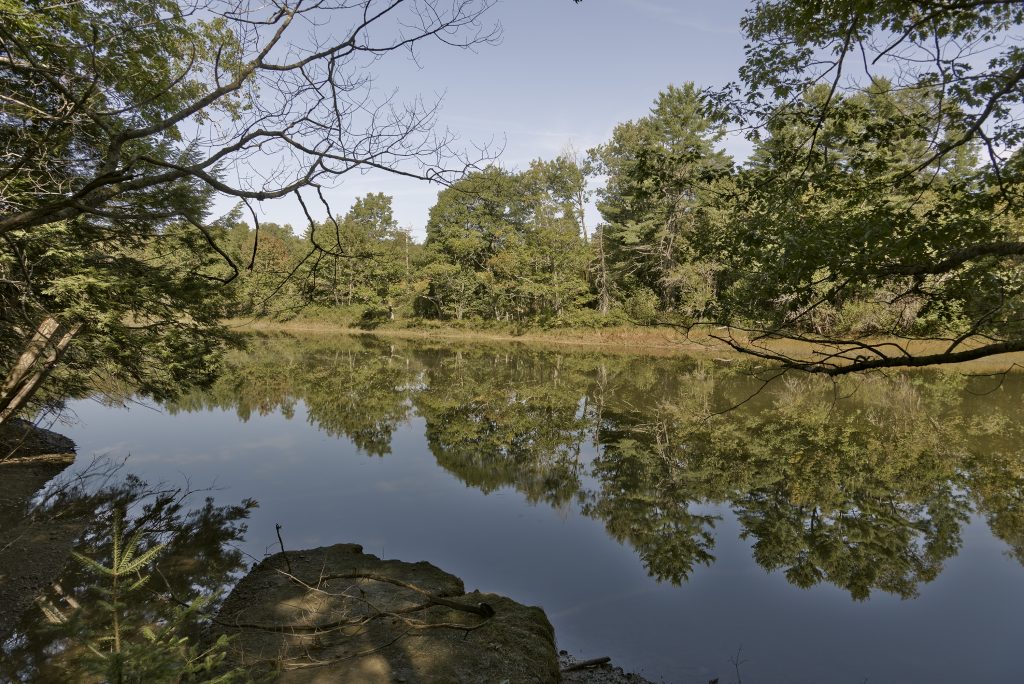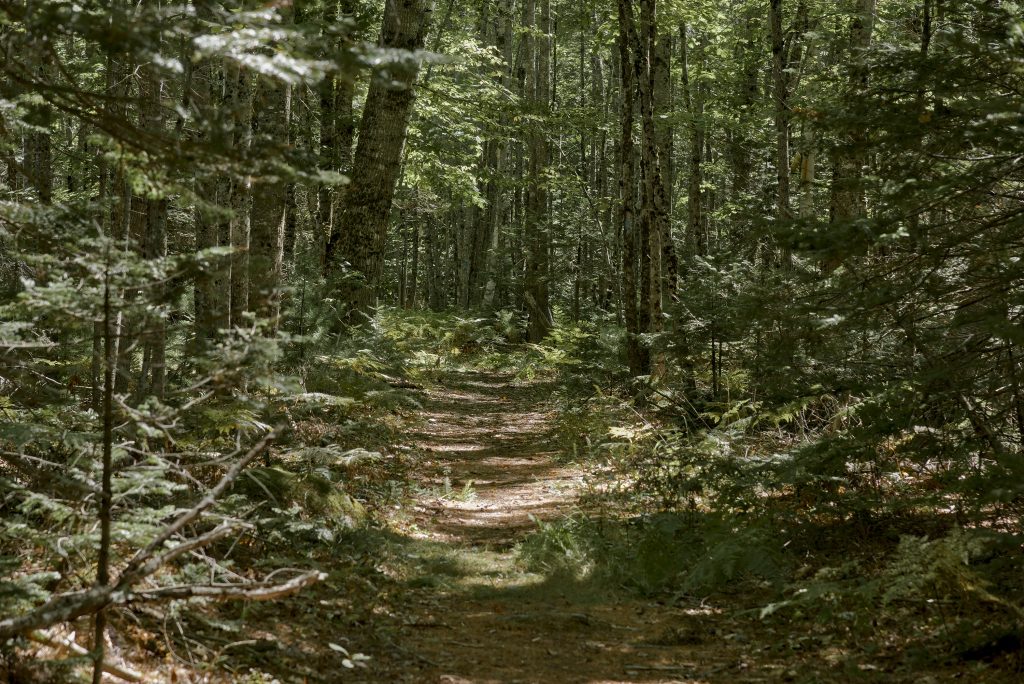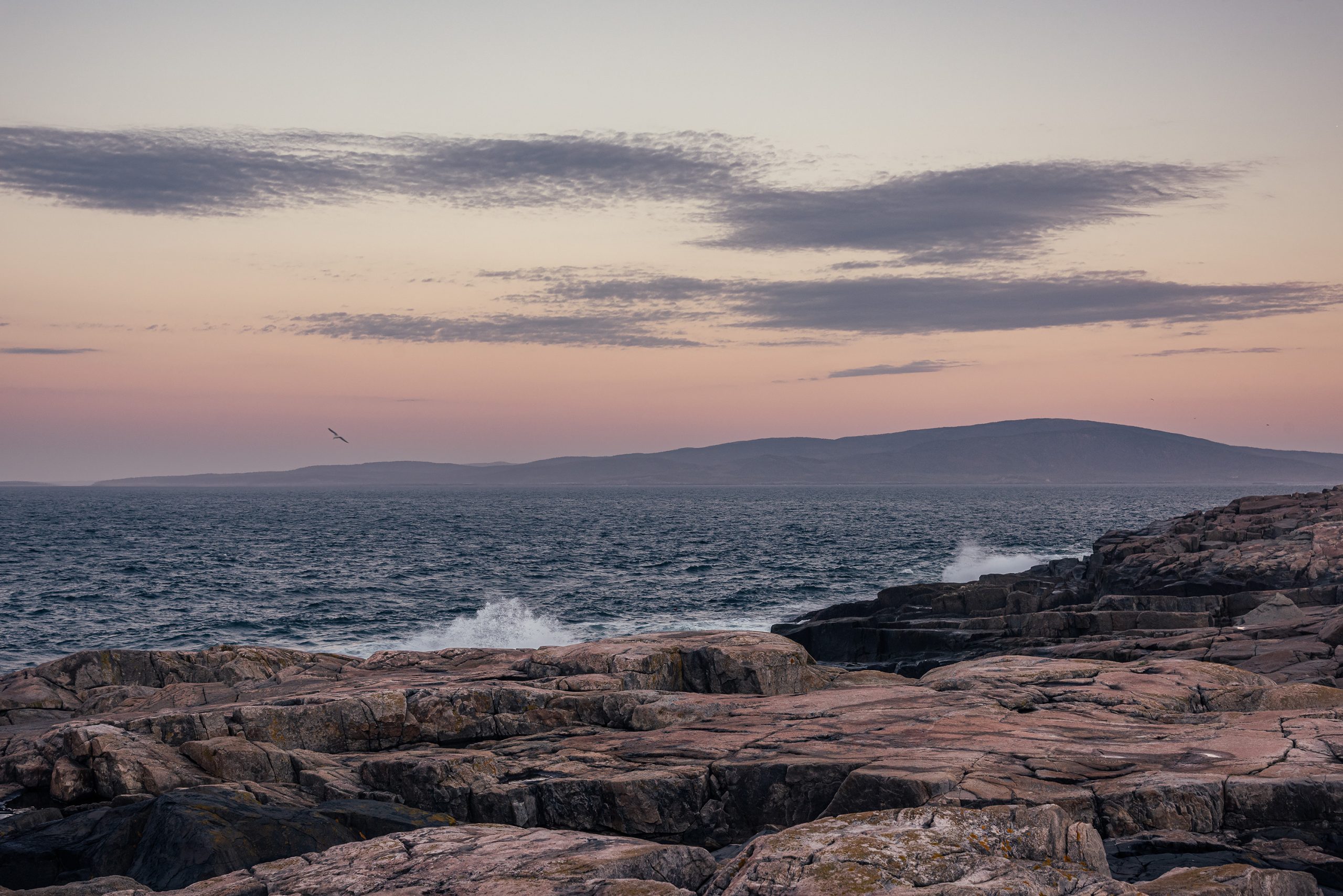
There’s another side of Acadia. No Cadillac Mountain, no Jordan Pond House, and considerably fewer cars crawling toward the same handful of famous places.
Instead, the road winds through small coastal towns before slipping into the woods, where pull-offs lead toward rocky shoreline and eventually the Atlantic crashing against Schoodic Point. This is the Schoodic Peninsula, the only mainland portion of Acadia National Park and a much quieter side of the park. The National Park Service intentionally manages Schoodic as a minimally developed, low-visitation area, and that difference is noticeable.
I’ve been out here a few times now. My most recent trip started in Belfast on an August morning because I was hunting fog. I found it. By the time I reached Schoodic, fog had settled over the peninsula, there were almost no people around, and I had exactly the kind of morning I was hoping for.
But you don’t need fog to make Schoodic worth the drive.
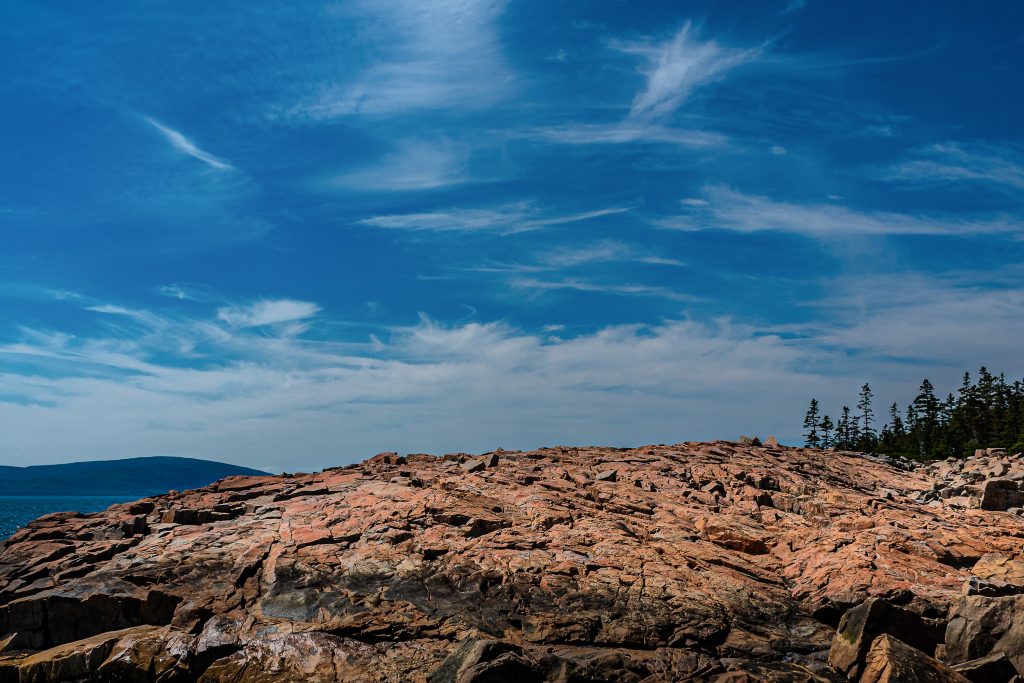
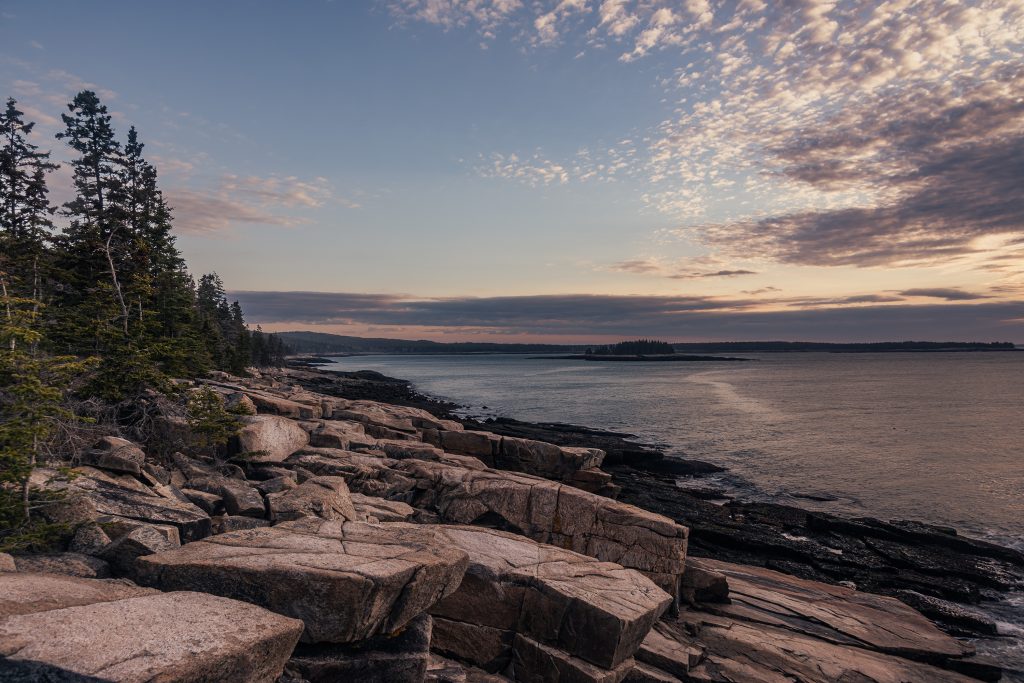
Schoodic Point looking toward Mount Desert Island on a considerably clearer visit.
Explorer’s Notes
📍 Location: Schoodic Peninsula, Acadia National Park, near Winter Harbor, Maine
🚙 Getting There: From Ellsworth, follow Route 1 east to Route 186 toward Winter Harbor and the Schoodic Peninsula. Inside the park, the main Schoodic Loop Road is a six-mile, one-way scenic drive with designated pull-offs.
🥾 Trails: Options range from the easy 0.6-mile Alder Trail to steeper climbs toward Schoodic Head and the Anvil. There are also 8.3 miles of packed-gravel bike paths that can be walked.
⏱️ Time to Explore: We spent about four hours and still felt rushed. I’d give it most of a day if you want time for the pull-offs, Schoodic Point, lunch and a few side stops.
💵 Park Pass: For U.S. citizens and residents, a seven-day private vehicle pass is currently $35. The $70 Acadia Annual Pass is valid for 12 months from the month of purchase. Non-U.S. residents age 16 and older are currently subject to an additional $100-per-person fee unless admitted with a qualifying annual pass. Check current NPS rates before visiting.
💡 Good to Know: Bring food and water, use the designated pull-offs, and watch your footing on the granite. Vehicles longer than 21 feet are prohibited on Schoodic Loop Road; oversized vehicles can use the day-use parking area at Schoodic Woods.
Getting to the Quieter Side of Acadia
Coming from Belfast, we followed Route 1 through Ellsworth before turning onto Route 186 toward the peninsula. The farther you go, the more things begin to spread out. Small coastal communities replace the traffic and development around Ellsworth, and eventually the road brings you into Acadia.
The drive itself is part of the trip. The Schoodic National Scenic Byway runs through this part of the Maine coast, and I’d rather take my time here than treat it as the road I have to endure before reaching the park.
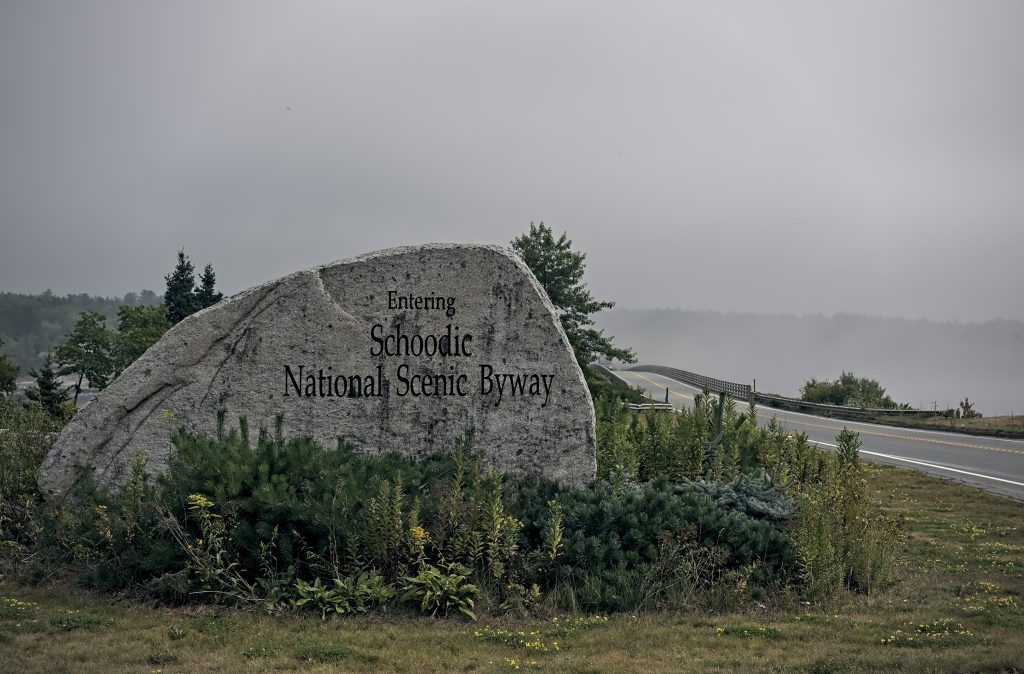
Once inside Acadia, Schoodic Loop Road is only about six miles long and one-way. Unless otherwise posted, the speed limit is 35 mph, which is fine because this isn’t a road I’d want to hurry through anyway. There are designated pull-offs scattered along the loop, and that’s where Schoodic starts becoming interesting. Parking outside those designated areas isn’t allowed.
Six miles doesn’t sound like much. We spent roughly four hours exploring the peninsula on this trip, and somehow I still felt a little rushed when we left.
Next time, I’m giving it the day.
Don’t Wait for Schoodic Point
Schoodic Point may be the grand prize, but don’t treat everything before it as the driveway.
There are pull-offs along the loop with views across the water, rocky shoreline, islands and quiet little coves that are worth getting out of the vehicle for. That’s one of my favorite things about Schoodic. You don’t need to hike several miles every time you want to see something.
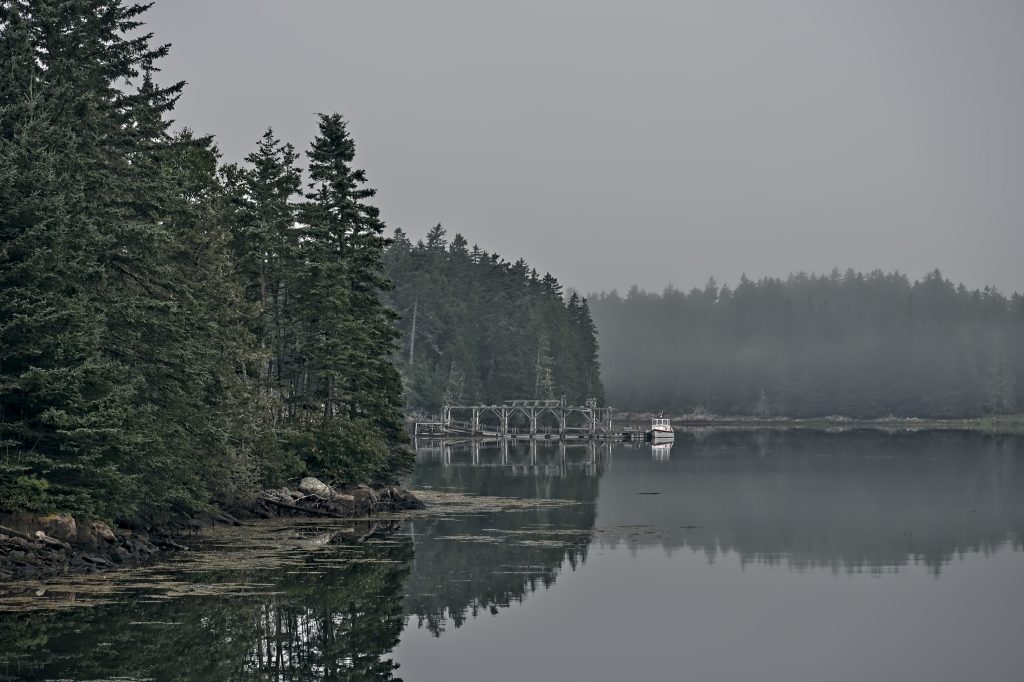
One of those places where stopping just because it looked interesting worked out pretty well.
If a legal pull-off looks interesting, stop. Get out and look around. Take a picture or don’t. Then drive another half mile until Maine distracts you again.
Frazer Point
Frazer Point Picnic Area comes early in the loop and is worth remembering, especially if you’re smarter than I was and actually brought enough food.
The picnic area is open year-round and has 26 picnic sites, including an accessible site and restroom. We only made a quick stop, but it immediately struck me as a good place to bring lunch and slow things down for a while.
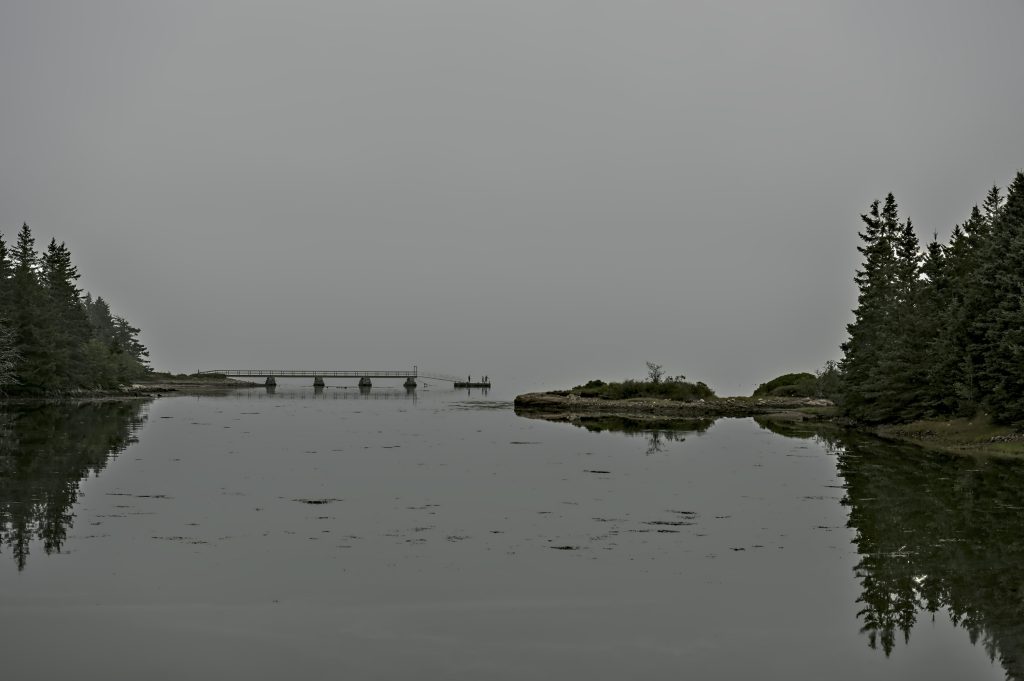
Frazer Point on a very quiet August morning.
Which brings me to an important piece of Schoodic travel advice: bring more snacks than you think you need. Apparently I have to relearn this on every photography trip.
Schoodic Point
Eventually the loop brings you to the place most people came to see.
Schoodic Point was nearly empty when I arrived that August morning. Fog hung over the water, waves were crashing against the granite, and the thing that stood out most once I got away from the parking area wasn’t something I could photograph.
It was the sound.
There’s something different about standing there when you can’t see forever. Fog removes some of the grand landscape and leaves you with granite, water and the Atlantic announcing itself every few seconds.
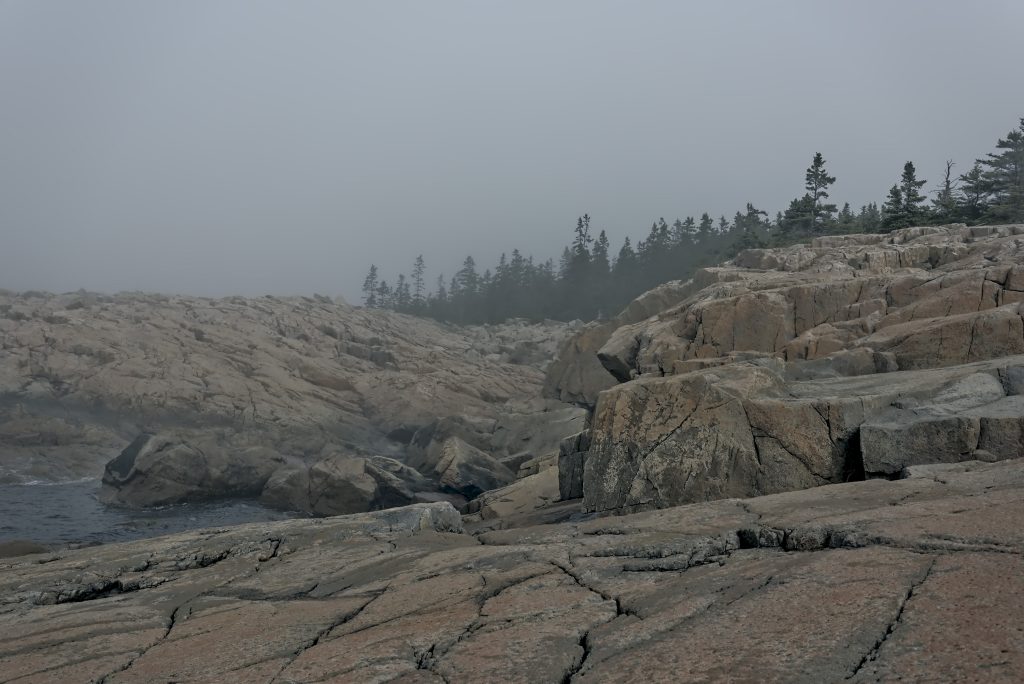
I’ve photographed Schoodic Point under clearer conditions too, and it almost feels like another place. On a clear day you get the bigger views across the water toward Mount Desert Island. In the fog, the world gets smaller.
I’ll take either one.
You don’t need a long hike to reach the shoreline, but short doesn’t necessarily mean accessible. The direct route from the parking area involves 10 uneven stone steps, and once you’re wandering on the granite itself you’re dealing with cracks, slopes and uneven footing. Wet granite can also get slippery in a hurry. NPS notes that Schoodic Point isn’t fully accessible for many people with mobility limitations, although there is a flatter viewing area near the restrooms that provides an ocean view without crossing the uneven granite.
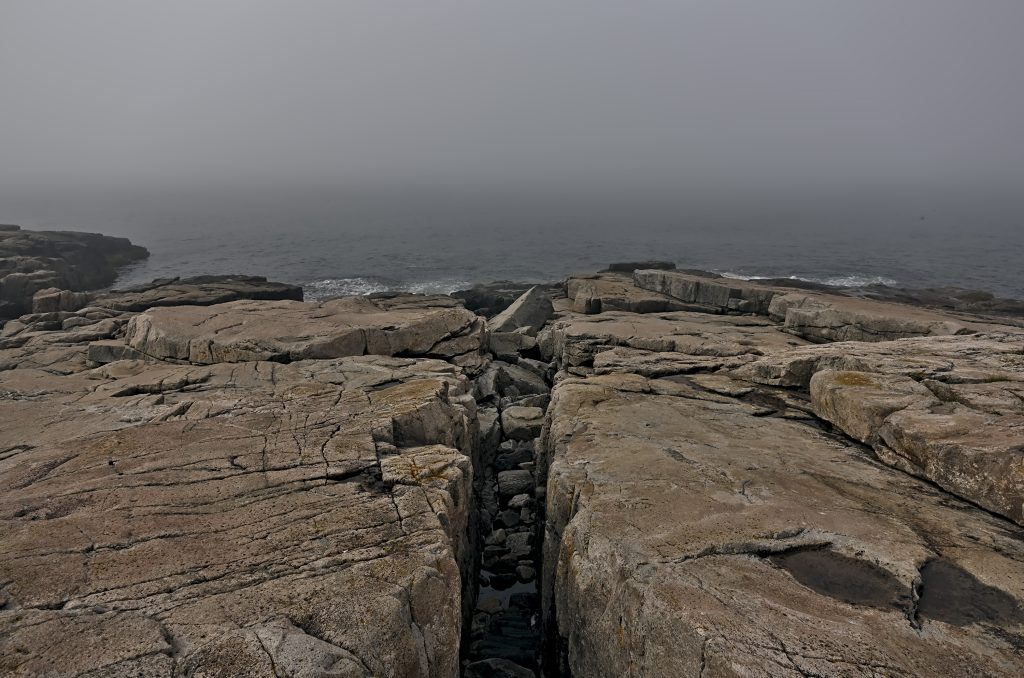
The granite is part of what makes Schoodic Point spectacular. It also occasionally tries to eat an ankle.
Take your time. Gravity remains fully operational in Acadia.
Blueberry Hill
After Schoodic Point, the loop continues toward Blueberry Hill. This was another simple stop for us: park, get out and enjoy the view.
There’s a rocky beach and another impressive stretch of coastline without requiring much effort to reach it. Blueberry Hill is also one of the places where you can connect with Schoodic’s hiking network, which is something I probably should have researched better before this trip.
I didn’t.
Next time.
If You Want to Hike
There’s considerably more hiking at Schoodic than I realized when I first started visiting.
The 0.6-mile Alder Trail is one of the easier options, traveling inland from Blueberry Hill. The 0.5-mile East Trail is considerably more ambitious despite its short distance, with steep sections that require some scrambling. The 1.1-mile Anvil Trail has rocky and steep sections on the way toward the Anvil and Schoodic Head, while Lower Harbor Trail follows the coastline through pine forest.
There are also 8.3 miles of wide, packed-gravel bike paths that can be used for walking and hiking, although some sections have steep grades. So Schoodic definitely isn’t limited to sightseeing from the car.
I can’t tell you which hiking trail is my favorite because I haven’t actually hiked them yet. Next time, I’m fixing that. Alder or Lower Harbor sounds about my speed.
We’ll see what my joints have to say about it afterward.
You Don’t Have to Hike Schoodic
This might be the part of Schoodic that appeals to me most. You can hike, bike or make a workout out of the place if that’s what you’re looking for, but you don’t have to earn every view.
There are places all along the loop where you can park, walk a short distance and find yourself standing beside the ocean. For someone who doesn’t want, or isn’t able, to spend the day hiking several miles over Maine terrain, there’s still plenty here to experience.
Sometimes I want the trail. Other times I just want to get out of the Jeep, wander around with the camera and see where I end up.
Schoodic is very good at that.
And Then There’s Big Jim
Once you’ve finished the loop and continue through Prospect Harbor, there’s another potential stop that’s considerably harder to describe as scenery.
Big Jim.
He’s a nearly 40-foot-tall fisherman who’s been part of Maine roadside history since 1959. He originally stood in Kittery welcoming travelers to Vacationland and Sardineland before eventually moving to Prospect Harbor, where he spent decades outside the former Stinson sardine cannery.
That cannery has its own place in Maine history. The Stinson plant became the last operating sardine cannery in the United States before closing in 2010.
Big Jim temporarily left Prospect Harbor in 2026 for restoration and a summer stay at the Penobscot Marine Museum in Searsport. He’s scheduled to return to Prospect Harbor in the fall, putting him right back where he belongs as one of the stranger roadside stops you can add to a Schoodic trip.
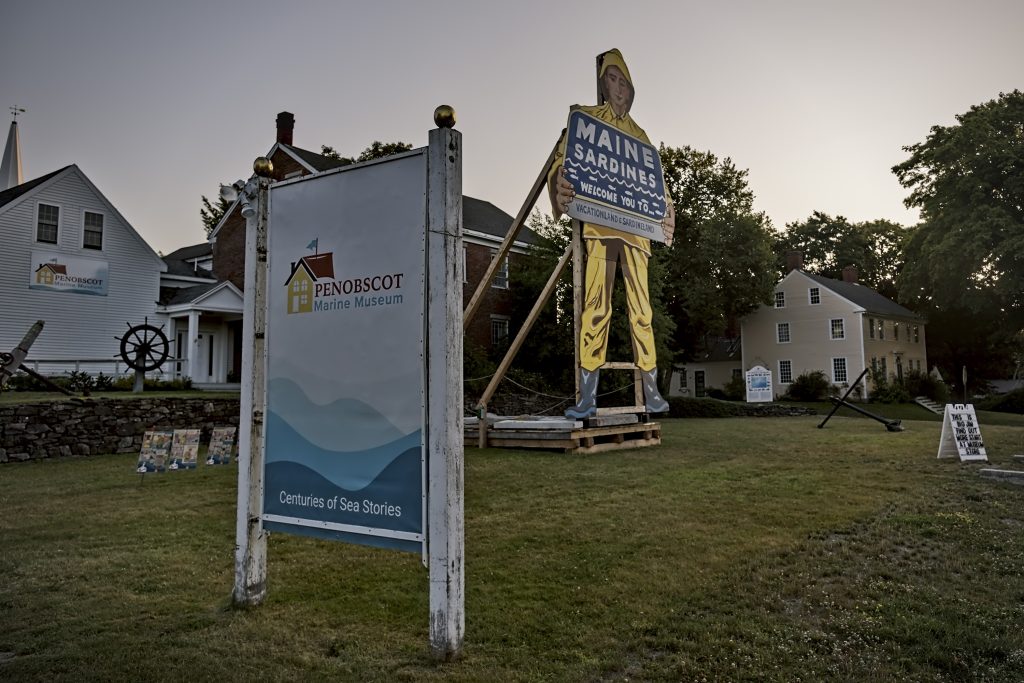
Big Jim during his temporary 2026 stay at the Penobscot Marine Museum in Searsport.
Scenic coastal drive, Acadia National Park, crashing Atlantic waves and a giant fisherman.
Apparently Maine felt subtlety was overrated.
A Train Station in the Woods
On the way down the peninsula, we’d passed the Schoodic National Scenic Byway rest area and I made a mental note to stop on our way back.
Good decision.
Because apparently what this trip needed after the giant fisherman was a train station.
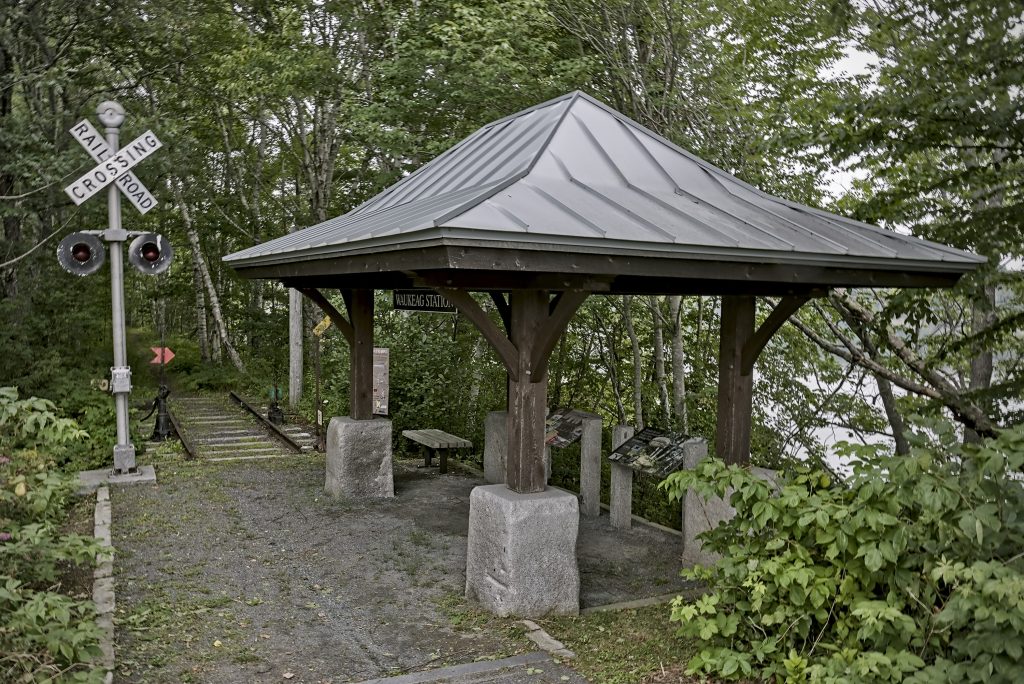
The Waukeag Station area includes a recreation of the old railroad station, railroad equipment, interpretive displays and a short walk along the former rail corridor overlooking Taunton Bay. There really was a station here, and travelers once used Waukeag as part of the journey toward the Mount Desert Island area.
I went looking for foggy coastal landscapes and came home with pictures of a train station in the woods.
This is why I don’t make overly strict itineraries.
Bring the Camera
Schoodic is ridiculously easy to photograph. Rocky shoreline, islands, working boats, fog, forest, waves, granite and changing weather are packed into a relatively small area, and you don’t have to go very far from the road to find compositions.
On my August trip, the fog was exactly what I wanted. It simplified the scenes and gave the coastline a completely different feeling from my previous visits. The downside was ocean spray, and I wiped the lens several times.
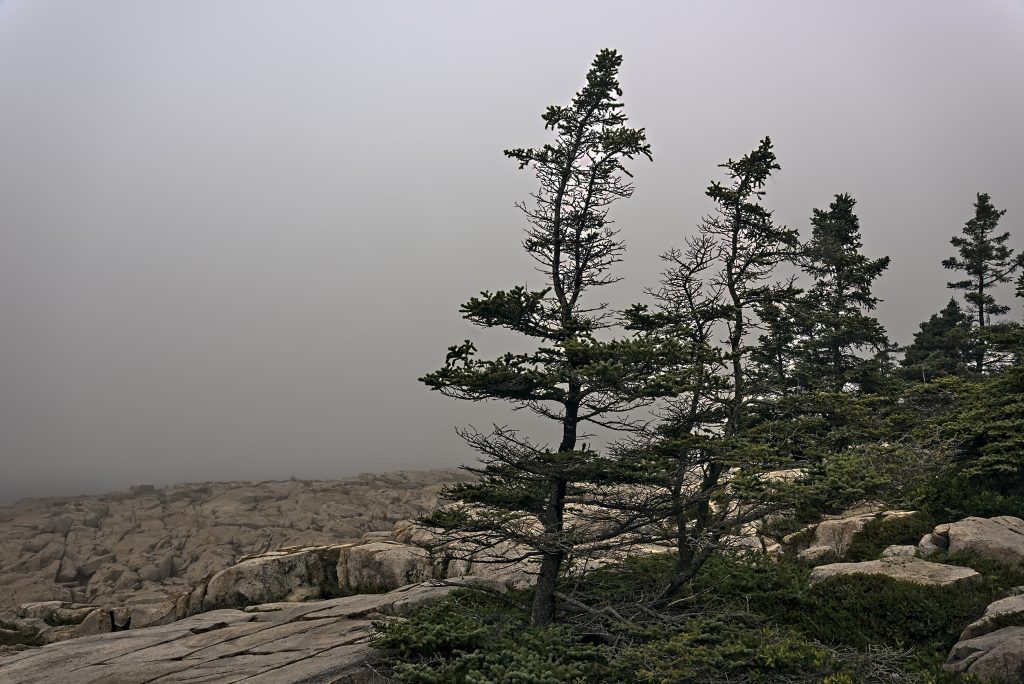
If you’re after the bigger coastal views, I’d love to be out there around sunrise on a clear morning. Personally, I wouldn’t build a photography trip around the middle of the day unless the weather itself was doing something interesting.
But that’s photography. Sometimes perfect weather is boring, and sometimes the weather everyone else complains about is exactly what you drove two hours looking for.
How Much Time Do You Need?
You could drive Schoodic in half a day. I wouldn’t.
We spent around four hours there and I still came away thinking we should have allowed more time. If you’re making the trip specifically for the peninsula, I’d give it most or all of the day. Bring lunch, stop at Frazer Point, explore the pull-offs, spend some time at Schoodic Point and wander down to Blueberry Hill.
If Big Jim is back home in Prospect Harbor, stop and say hello. Then hit the Scenic Byway rest area and Waukeag Station on the way back.
And for the love of God, bring snacks.
What Does It Cost?
Acadia National Park currently requires an entrance pass year-round. For U.S. citizens and residents traveling in a private vehicle, the standard pass is $35 and covers the vehicle and its occupants for seven days. The Acadia Annual Pass costs $70, is available to U.S. citizens and residents, and is valid for 12 months from the month of purchase.
Beginning in 2026, non-U.S. residents age 16 and older visiting Acadia are also subject to a $100-per-person nonresident fee in addition to the standard entrance fee unless they’re admitted with a qualifying annual pass. Because entrance fees and policies can change, check the current NPS fee page when you’re planning your trip.
One other thing worth knowing if you’re traveling in something larger than my Jeep: vehicles longer than 21 feet are prohibited on Schoodic Loop Road. NPS directs oversized vehicles to the day-use parking area at Schoodic Woods, where visitors can use the fare-free Island Explorer during its operating season.
A Few Things I’d Know Before Going
Cell service can be spotty, and things start getting a little remote as you get closer to the peninsula. I’d bring food and water rather than assuming you’ll find everything you need inside the park.
Use the designated pull-offs, give yourself more time than the six-mile loop makes you think you’ll need, and watch your footing if you’re heading onto wet granite. Most of all, don’t assume Schoodic Point is the only reason to get out of the vehicle. Some of my favorite parts of these trips have happened because I stopped somewhere that simply looked interesting.
I’ve been to Schoodic a few times now, and somehow the list of things I haven’t done keeps getting longer. There are trails I haven’t walked, places I’d like to photograph under different conditions, and plenty of pull-offs where I’m pretty sure I’ve said, “We’ll stop there next time.”
So there will be a next time.
I’ll probably forget the snacks again.