Coming back to hiking after hip replacement surgery is not a triumphant movie moment. There’s no soundtrack. No dramatic summit shot with your arms raised toward an orange sky. No inspirational quote overlaid on a sunset.
Just gravel under your feet and a dull ache behind every step.
Just you and the nagging question: Is this pain normal, or am I breaking something expensive?
Physical Therapy: The Real Kind
I started with Physical Therapy. Not the fake kind where you lie on a padded table while someone moves your leg for you and calls it progress. Not the kind where soft music plays and you pretend to stretch.
The real stuff.
Resistance bands that felt like medieval torture devices. Step-ups on a platform that might as well have been Everest. Wall holds that made my hip scream in languages I didn’t know it spoke. Sweat. So much sweat. The slow-burning kind that tests your patience more than your strength, the kind that makes you wonder if you’ll ever feel normal again or if “normal” is just something you used to be.
Every movement had a purpose. Every small gain had a cost.
It was humbling. It was frustrating. It was necessary.
My therapist—let’s call him Bart, because that was his name—had this way of watching me like a hawk. He’d catch me favoring my good leg, compensating without realizing it, cheating just a little to get through the set. He never let me slide. “You’re gonna pay for that later,” he’d say, arms crossed, waiting for me to do it again. Properly this time.
She was right. I always paid for it later.
Stephen King once wrote that the most important things are the hardest to say. I think the same goes for doing. The hardest movements—the ones that make you want to quit—are the ones that actually rebuild you. But nobody tells you how boring it is. How repetitive. How much it feels like you’re getting nowhere for weeks on end.
Progress doesn’t announce itself. It sneaks up on you. One day you realize the band doesn’t feel as tight. The step doesn’t feel as high. The hold doesn’t make you shake anymore.
And then the next day it all feels impossible again.
The Green Light (That Felt More Like Yellow)
When the therapists finally gave me the green light to walk on my own—really walk, outside, unsupervised—I should’ve felt victorious.
I felt terrified.
I started with short walks. Even terrain only. Sidewalks. Parks. Paved loops around the neighborhood where I could see my car the entire time, just in case. The kind of walking that looks easy from the outside, the kind that makes you invisible to everyone else out there jogging or pushing strollers or walking their dogs.
But it still made me grit my teeth.
I carried soreness like a shadow. My body was still figuring out what “normal” meant now. The hip was new. The gait was new. Even my balance felt borrowed from someone else’s body.
The pain was new, too. Not the bone-on-bone grind I used to know—the one that made every step feel like walking on broken glass. This pain was different. It came in flashes. Deep. Hot. Like something was still knitting itself back together under the skin.
It felt like healing.
Or maybe like a warning.
Hard to tell the difference sometimes.
Stretching the Leash
A few weeks later, I stretched the walks a little longer. Still flat. Still cautious. Maybe twenty minutes instead of ten. Maybe a mile instead of half.
I wanted to feel strong again. I wanted the kind of tired that comes after a good push—the satisfying, earned exhaustion that lets you sleep hard and wake up proud. Not the kind that crawls out of pain and lingers in your bones for days.
But even progress has a way of feeling like failure when it moves this slowly.
Some days, I came home proud. I’d done it. I’d walked farther than yesterday, and my hip hadn’t punished me for it. I felt like maybe—maybe—I was getting somewhere.
Other days, I came home angry. Angry at my body for betraying me. Angry at the timeline. Angry at everyone I passed on the trail who seemed to move so easily, like their joints were made of something better than mine.
That’s the trade.
What They Don’t Tell You
Here’s what nobody mentions in the glossy recovery pamphlets:
You will compare yourself to your former self. The you who could hike ten miles without thinking about it. The you who didn’t need to plan rest days or ice packs. That version of you is gone, and mourning them is part of the process.
You will have setbacks. A good week followed by a bad one. A pain-free walk followed by two days of stiffness. Your body doesn’t heal in a straight line.
You will question everything. Is this normal soreness or am I doing damage? Should I push through or back off? Did I just feel something pop? (Spoiler: it’s usually fine. But you’ll still panic.)
You will feel alone in it. Even if people are supportive, even if they try to understand—unless they’ve had hardware installed in their hip, they don’t really get it.
And that’s okay. You don’t need them to get it. You just need to keep walking.
The First Trail
Eventually, I traded sidewalks for dirt.
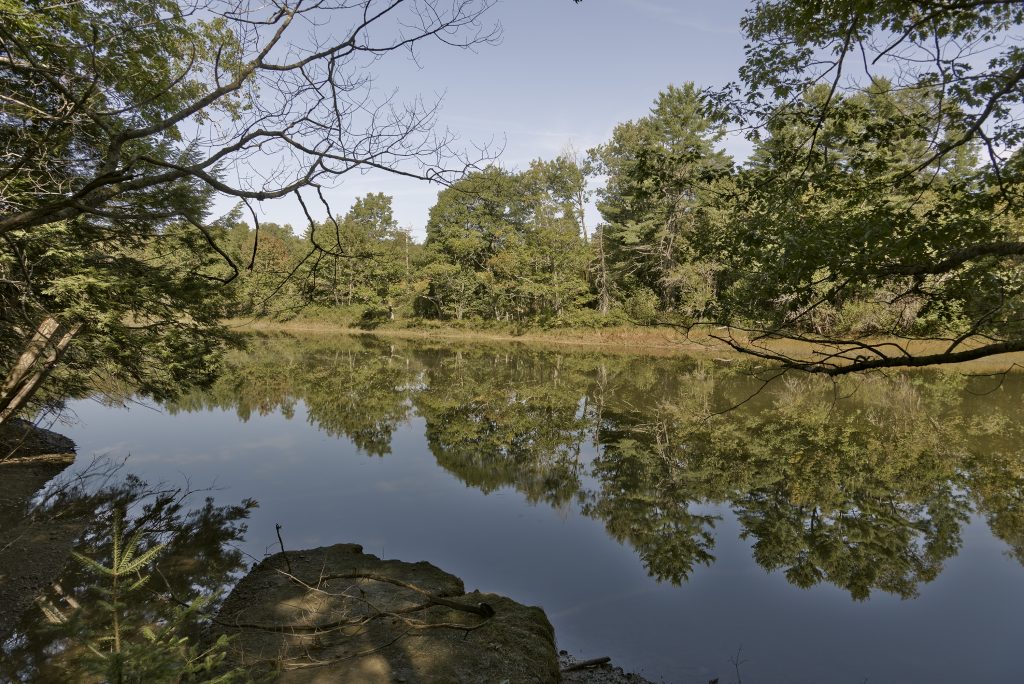
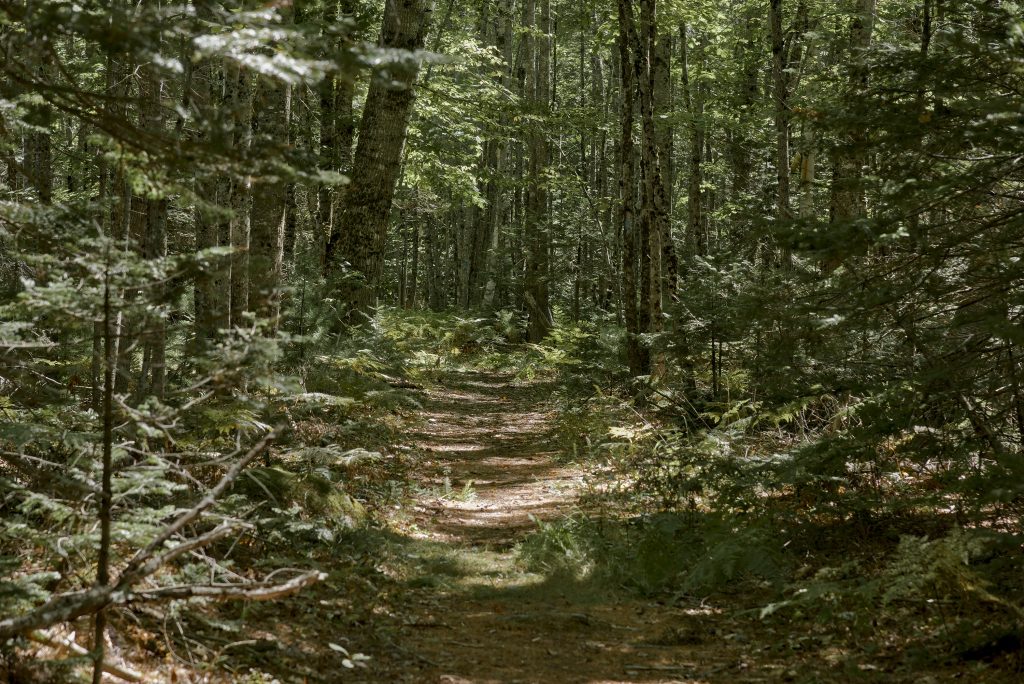
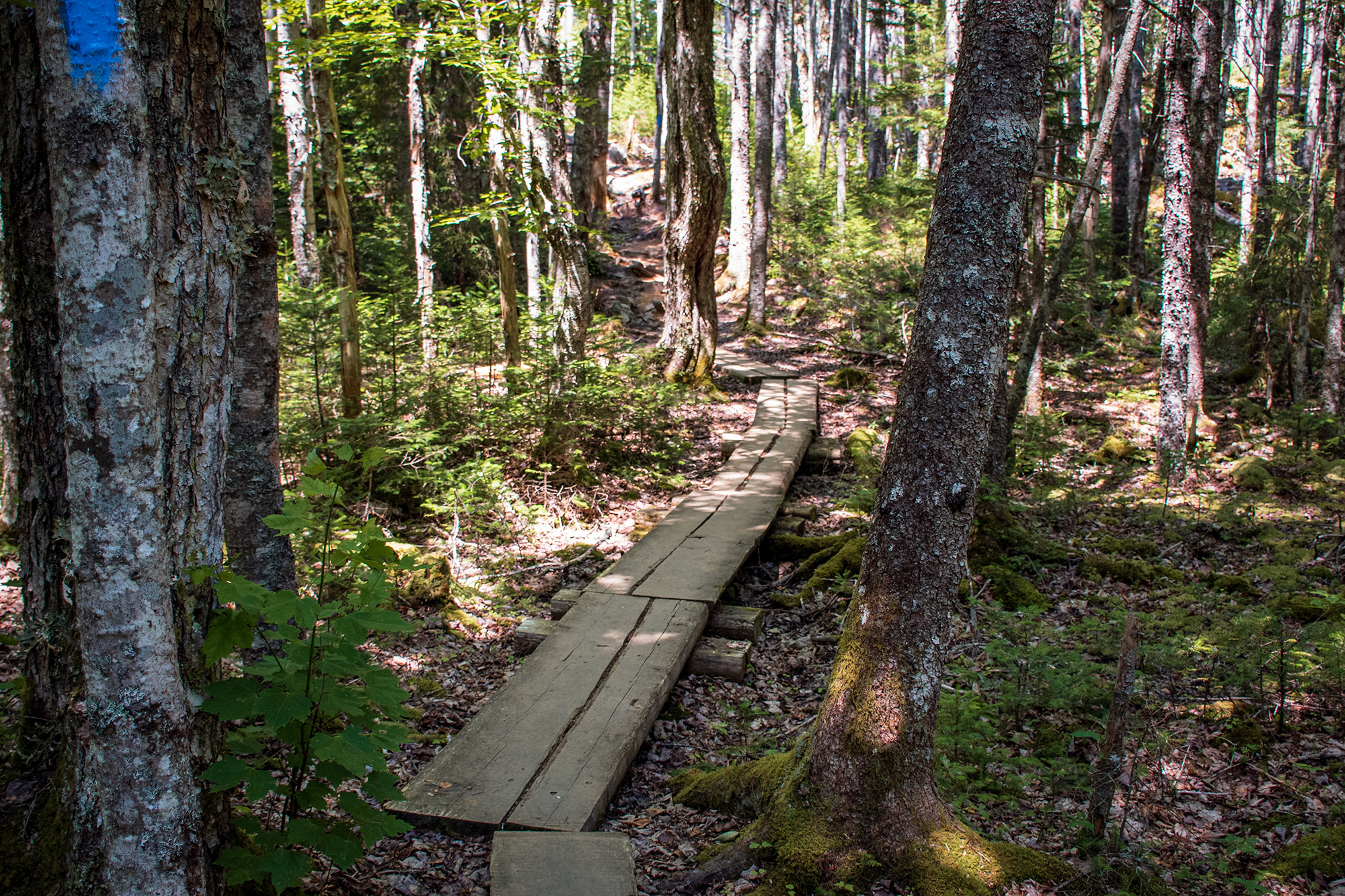
Nothing dramatic. Just a local trail—flat, well-maintained, the kind of place where retirees walk their golden retrievers and kids ride bikes with training wheels. A mile loop. Maybe two if I felt brave.
It wasn’t the summit I used to chase. But it was a trail.
And that first time back on dirt—boots laced, pack on, the smell of pine and damp earth in my lungs—felt like coming home after a long, stupid detour.
My hip ached. My pace was slow. I had to stop twice just to breathe and reassess.
But I finished.
And I’ll finish the next one, too.