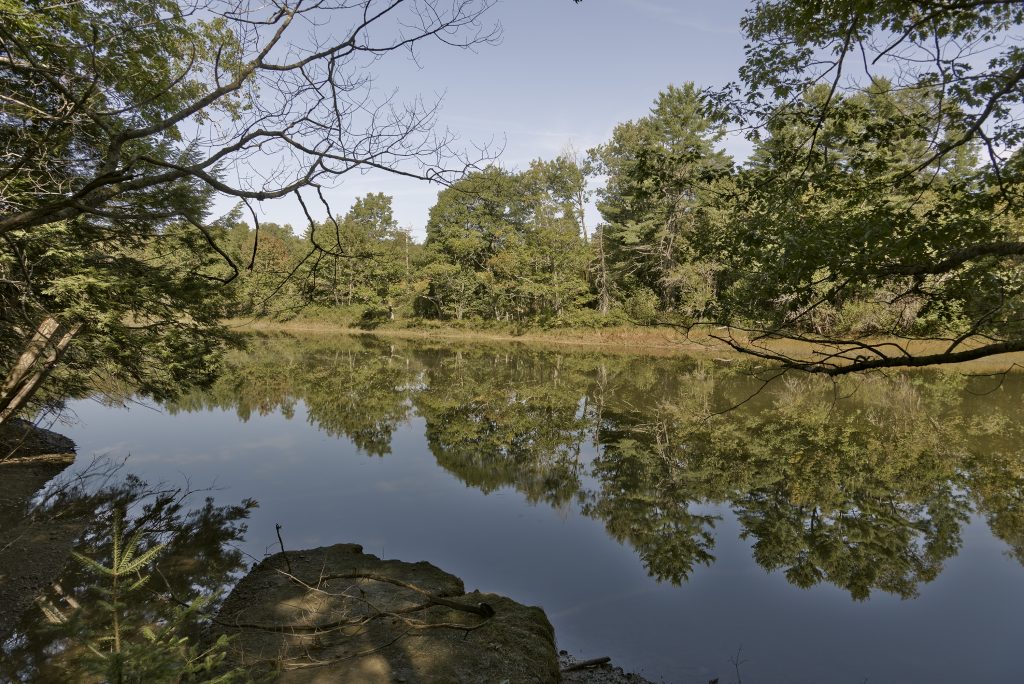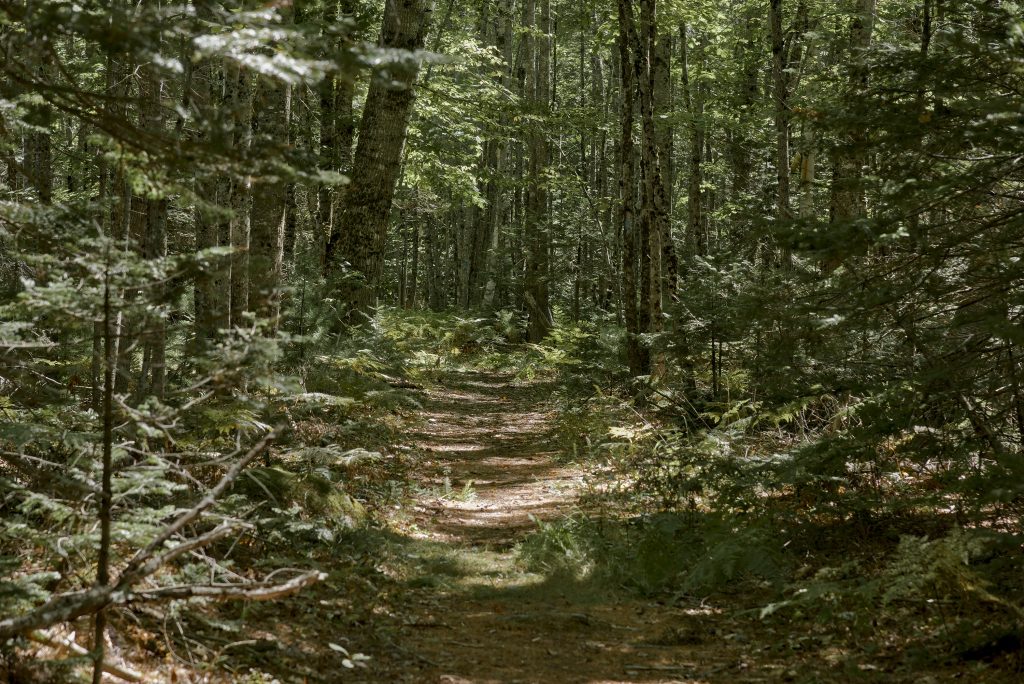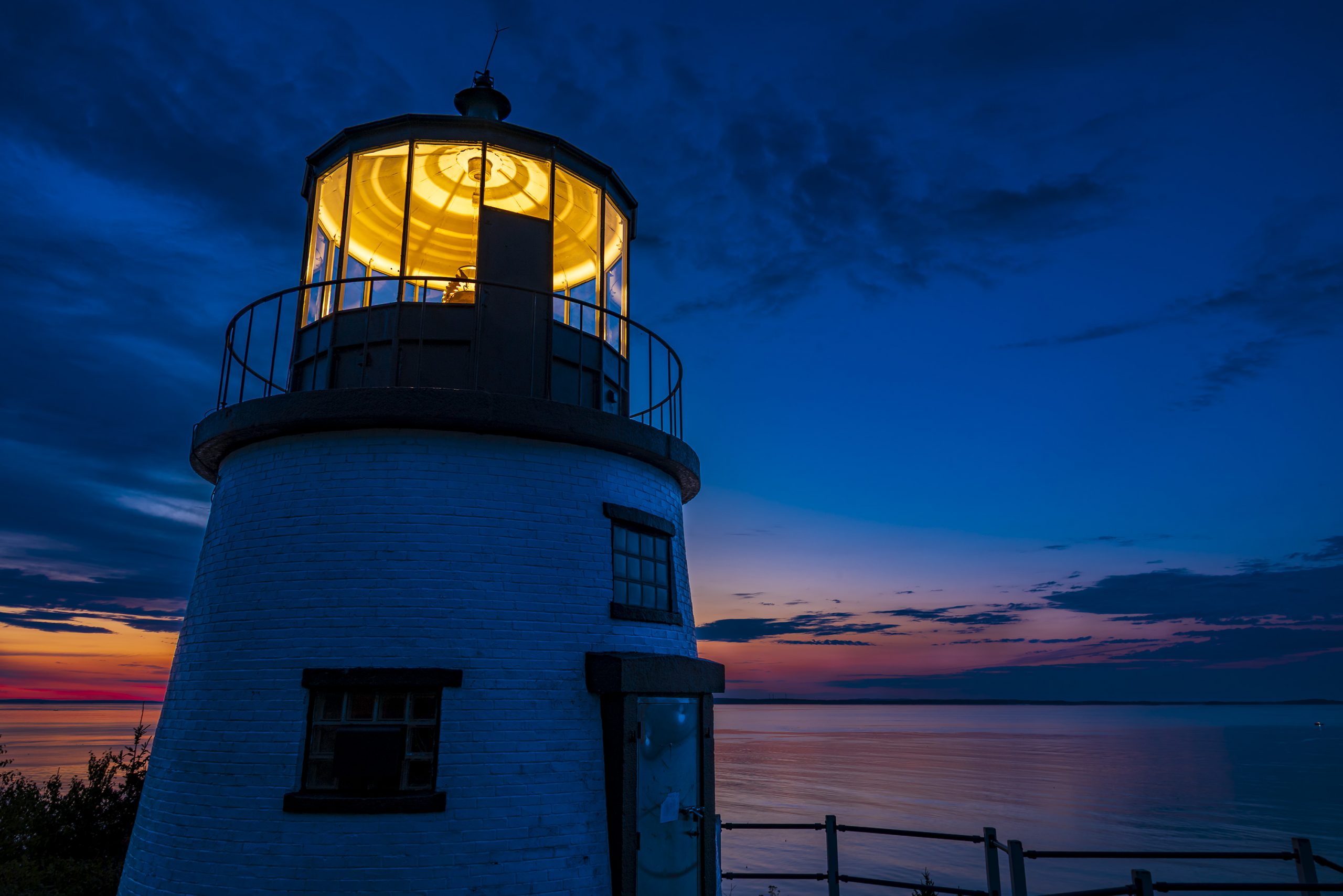
I take a photograph I really like. I spend entirely too much time editing it, probably make three versions that nobody but me could tell apart, finally decide I’m happy with it, and post it to Facebook.
Then, apparently, my next responsibility as a grown adult is to refresh Facebook every few minutes to see whether strangers approve.
Ten views.
Refresh.
Twenty-three views.
Refresh.
A couple of likes.
Well, that’s it. Clearly my photography career is over.
I’ve been paying more attention to numbers lately. Not just because I’m apparently a glutton for punishment, but because I’m trying to grow The Hip Explorer. If I want more people to see my photography, read the stories, visit the website, and hopefully come along on some of these adventures, I need to understand what works.
So I watch the numbers.
Views. Reach. Likes. Comments. Shares. Which photographs stop people for a second and which ones disappear into the endless Facebook abyss somewhere between somebody’s dinner and a meme about getting old.
That information is useful. I don’t buy the idea that social media numbers don’t matter. If you’re trying to build an audience, they absolutely matter. A photograph seen by 5,000 people reached more people than one seen by 50. If one post consistently gets shared and another doesn’t, there’s probably something worth learning from that.
The trouble starts when I ask those numbers a completely different question.
Was this photograph any good?
That’s a question I’m not convinced Facebook knows how to answer.
I recently came across a quote that stopped me for a minute. The basic idea was that a photograph receiving “only” 37 likes on social media could end up hanging in someone’s home for 37 years.
I haven’t been able to shake that thought.
Because those are two completely different measurements of the same photograph.
One asks how well an image performed during a brief moment in somebody’s feed. Did it catch their attention? Did Facebook show it to them in the first place? Were they scrolling during lunch? Was there a football game on? Did the algorithm decide today was the day my photograph would be shown to twelve people and a confused guy in Nebraska?
There are a lot of variables between clicking “Post” and whatever number eventually appears underneath it.
None of them necessarily answer whether the photograph matters.
And maybe that’s where I’ve occasionally lost the plot.
I didn’t pick up a camera because I wanted likes.
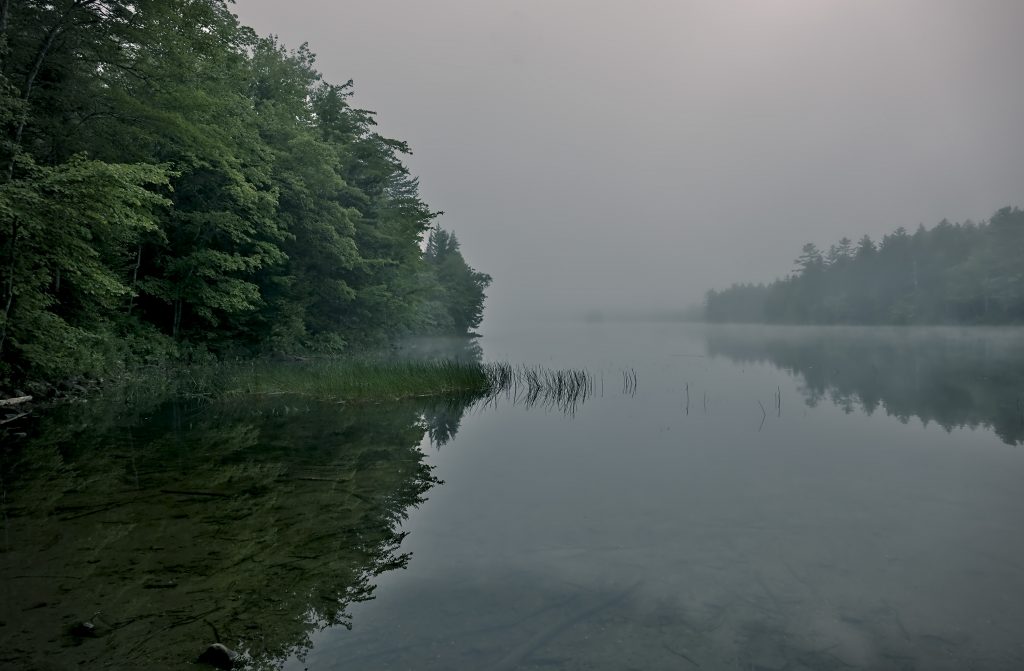
Photography became part of exploring for me. It gave me another reason to get outside and another reason to pay attention once I got there. A sunrise wasn’t just something happening while I drove to work anymore. I’d start wondering where I could photograph it. Fog rolling across a pond became a reason to pull over. An old stone wall in the woods became something worth looking at twice.
The camera changed the way I noticed things.
Then I started sharing those photographs.
Eventually I started The Hip Explorer. What began as photography slowly became something larger, and now I’m deliberately trying to grow it. I want people to see the work. I want them to visit the website. I want them to read the stories. I’d be lying if I said I didn’t want a post to do well.
Of course I do.
There’s a little thrill when you post something and watch the numbers start climbing. Somebody shares it. A stranger leaves a comment. Another follower appears. Suddenly you’re thinking, Okay, maybe we’re onto something here.
The danger is how quietly the numbers can move from the passenger seat and start reaching for the steering wheel.
You begin thinking about what will perform before you’ve even taken the photograph.
Maybe people like lighthouses more than quiet woodland scenes. Maybe colorful sunrises get more attention than fog. Maybe this crop will work better on Facebook. Maybe I should edit this one a little brighter. Maybe I shouldn’t post that photograph I love because the last one like it didn’t do very well.
None of those thoughts are necessarily wrong. Some of them are just part of learning how to present your work.
But there has to be a line somewhere.
Otherwise, I’m no longer photographing what makes me stop.
I’m photographing what I think will make everyone else stop.
Those aren’t always the same thing.
I’ve had photographs I expected to do well barely move. I’ve also posted photographs I wasn’t sure about and watched people respond to them immediately. Sometimes an older image suddenly connects when I share it again months later. Same photographer. Same photograph. Completely different numbers.
What changed?
Probably not the photograph.
That’s worth remembering.
Because somewhere out there could be a photograph with 37 likes that means far more to one of those 37 people than another photograph viewed 10,000 times.
Maybe it’s a lighthouse they visited every summer with their parents. Maybe it’s a stretch of Maine coastline they haven’t seen since moving away. Maybe the photograph reminds them of someone. Maybe they can’t explain why they like it at all. They just know they want to keep looking at it.
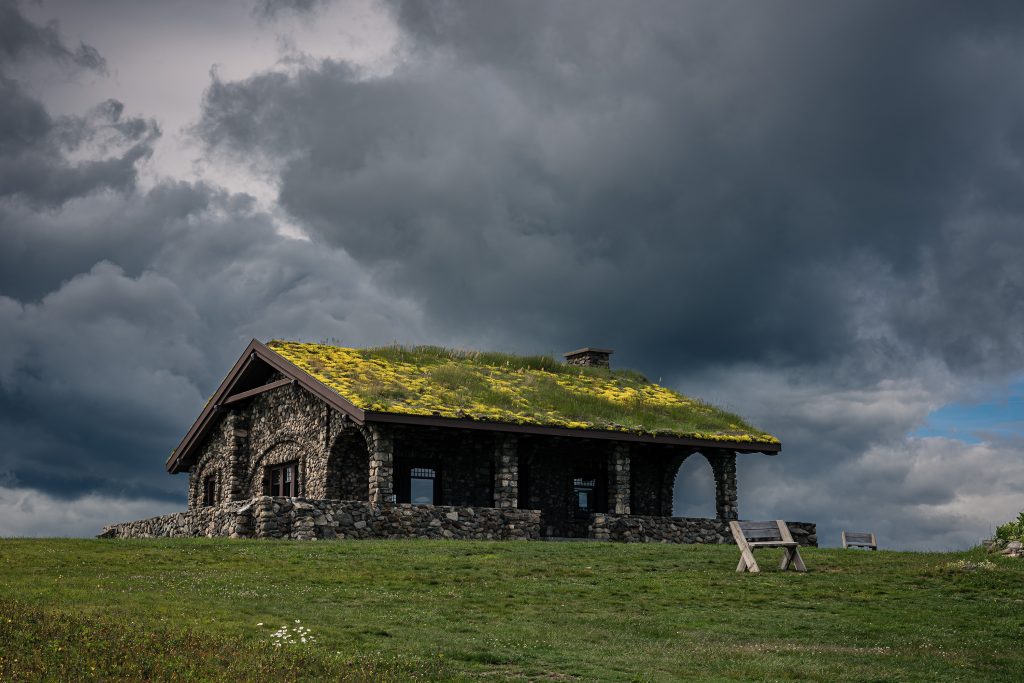
Maybe someday they hang it on a wall.
Facebook doesn’t have a button for that.
There isn’t an analytics column labeled “Made someone think about home.“
No metric for “Stopped someone for reasons neither of us can explain.“
No little upward green arrow telling me that somebody walked past the photograph in their hallway this morning, glanced at it for the thousandth time, and still liked having it there.
And that’s probably okay.
I’m still going to watch the numbers. I’m still going to experiment with posting times, photographs, captions, and whatever else I can learn. If I’m serious about growing The Hip Explorer, ignoring analytics would be foolish.
I’ll probably still refresh Facebook more often than any reasonable adult should after posting something I really like.
I’m working on it.
But I’m trying to remember what those numbers are actually measuring.
They can tell me about distribution.
They can tell me about engagement.
They can help me understand an audience.
I’m just not sure they get to tell me what a photograph is worth.
Maybe the better question isn’t how many people stopped scrolling for my photograph.
Maybe it’s whether I made something worth stopping for.
Thirty-seven people might be plenty.